
Hi, I’m Zinia. A Product & UX Designer with 7+ years of experience.
I work across data & research, product concept & strategy, and UX/solution design into end-to-end product experiences. I’ve designed across payments, SaaS, and F&B platforms. In UOB, I built the first payment design system framework, and helped my team of 7 designers work with more UX alignment & acceleration. I strive to improve the user experiences across products using UX & product strategies.

I work across data & research, product concept & strategy, and UX/solution design into end-to-end product experiences. I’ve designed across payments, SaaS, and F&B platforms. In UOB, I built the first payment design system framework, and helped my team of 7 designers work with more UX alignment & acceleration. I strive to improve the user experiences across products using UX & product strategies.
Hi, I’m Zinia. A Product & UX Designer with 7+ years of experience.
Introduction
I’ve worked across Data & Research, Product Strategy, and UX/Solution Design across five companies. Now, I want to bring these disciplines together to shape end-to-end product experiences.
01 Discovery • Ideactio Pte Ltd: Turned raw conversations into personas and problem discovery.
02 Concept/Strategy • LiHO Tea: Developed one persona from 30 qualitative interviews and presented the branding experience to the founder.
03 Data • JuzzWeb Pte Ltd: Analysed website, SEO, and paid ads data across bounce rates, scroll depth, CTR, and conversions to optimise front-end UX and improve marketing ROI.
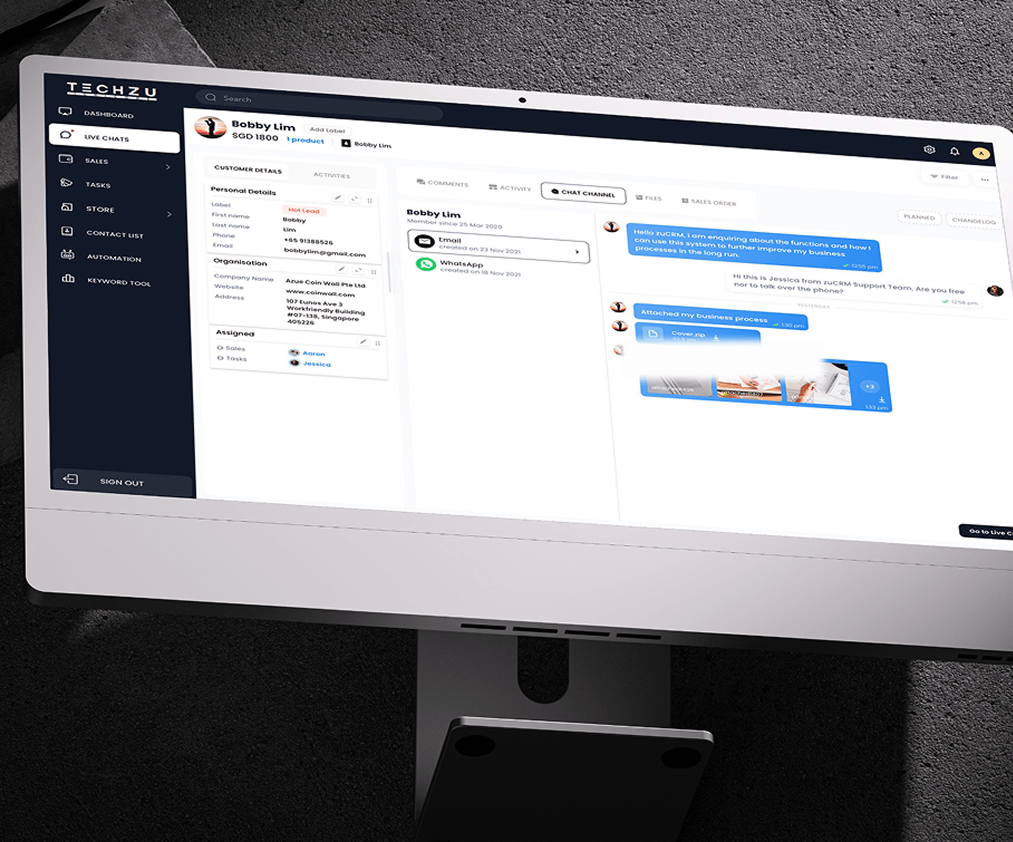
04 Execution • Techzu Ichicode: Led UX/UI design for SaaS products, website design & development, and ensured UX consistency from technical implementation to product delivery.
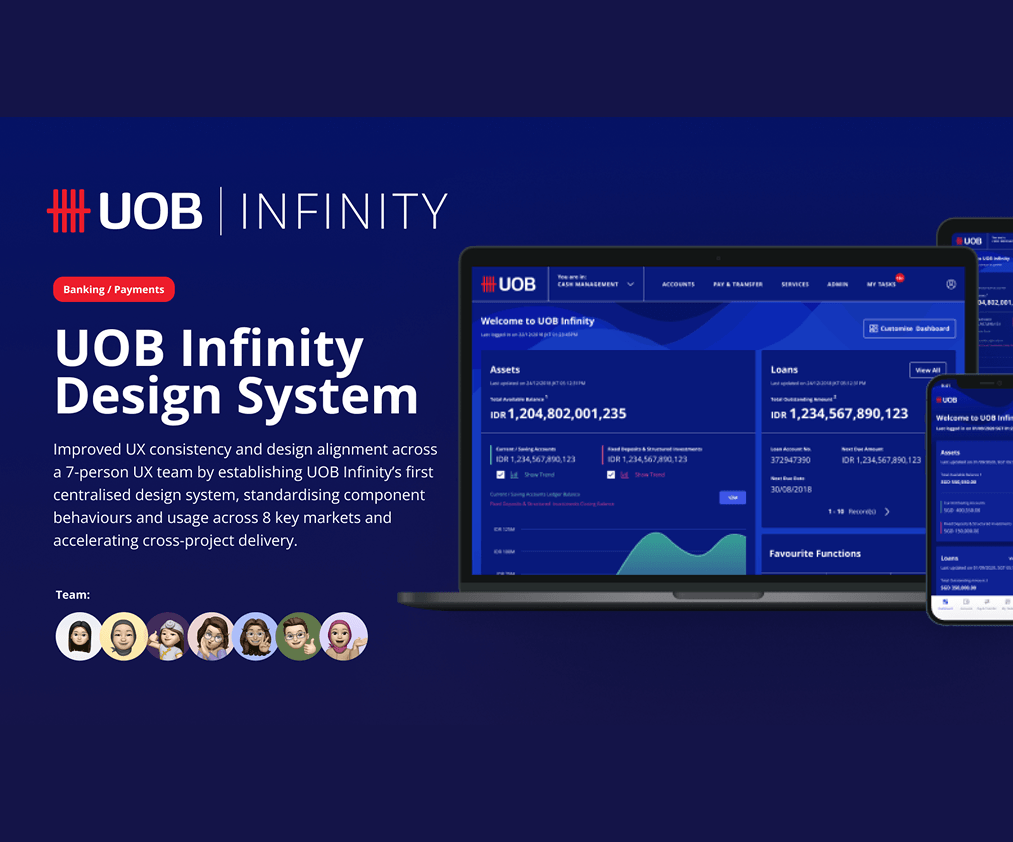
05 System • UOB: Built the first payment design system framework, and helped my team of 7 designers work with less friction and more UX alignment.
Selected Work:
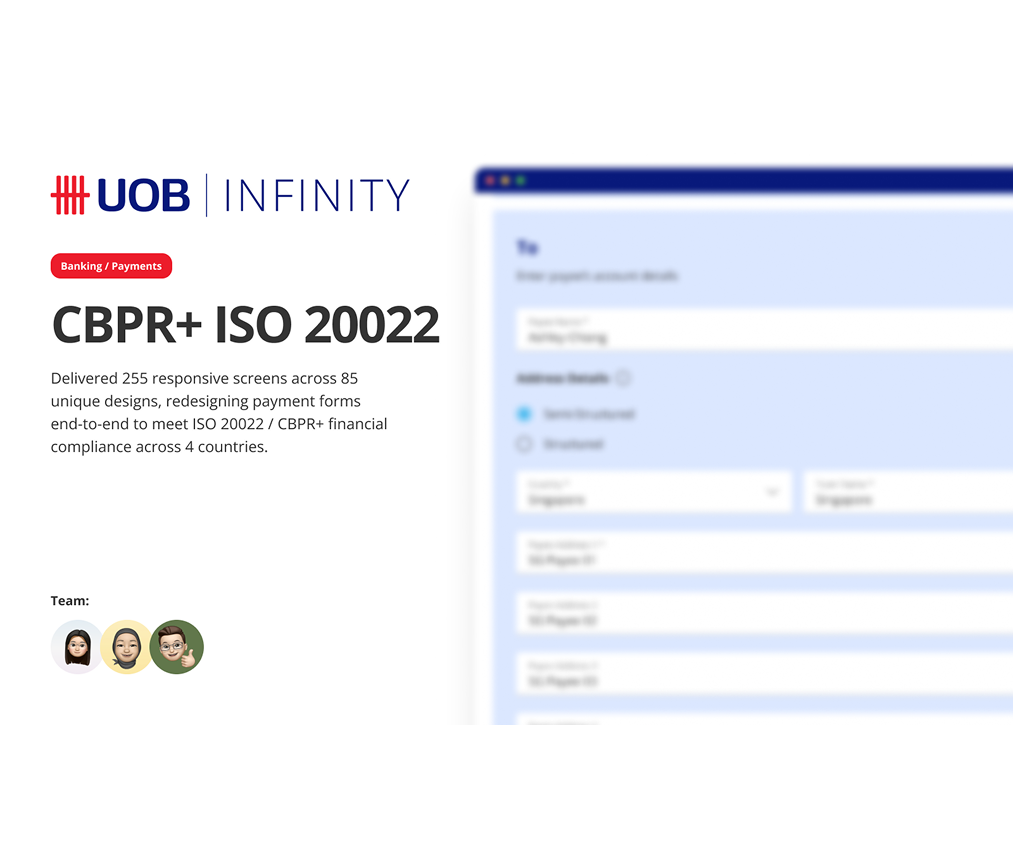
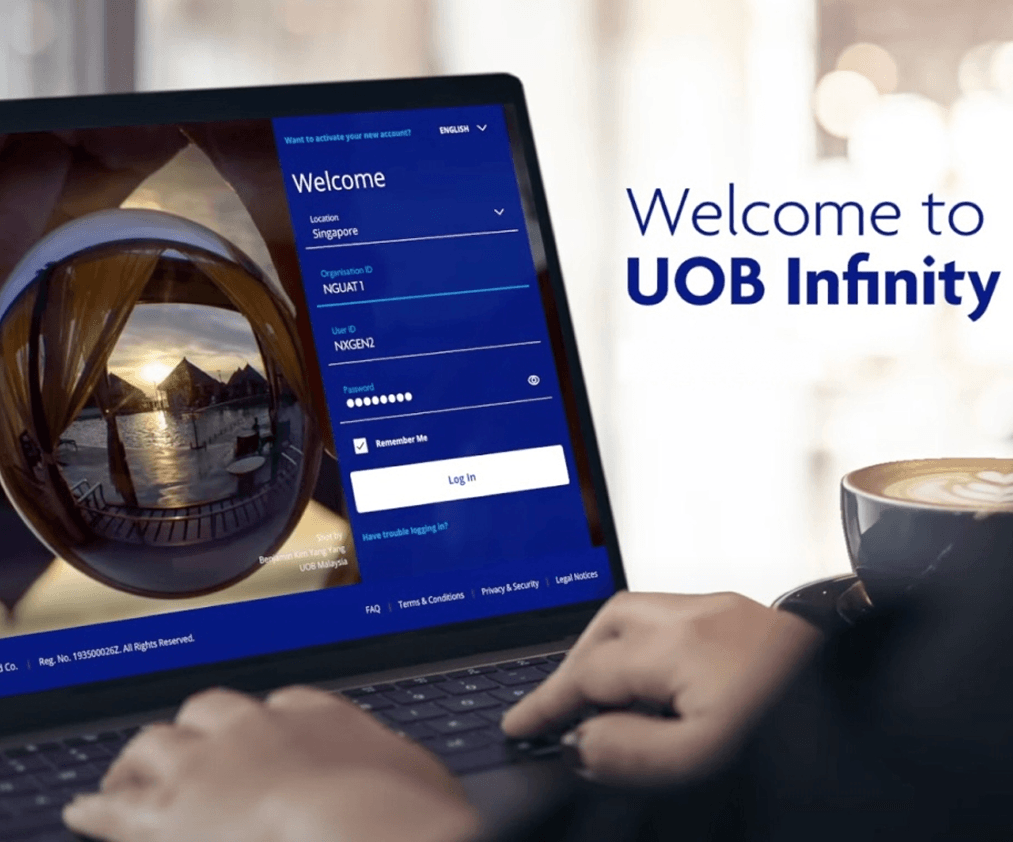
- Design Systems, Enterprise Banking, Product UX, UX Leadership

- Brand Experience, Design Thinking, User Research
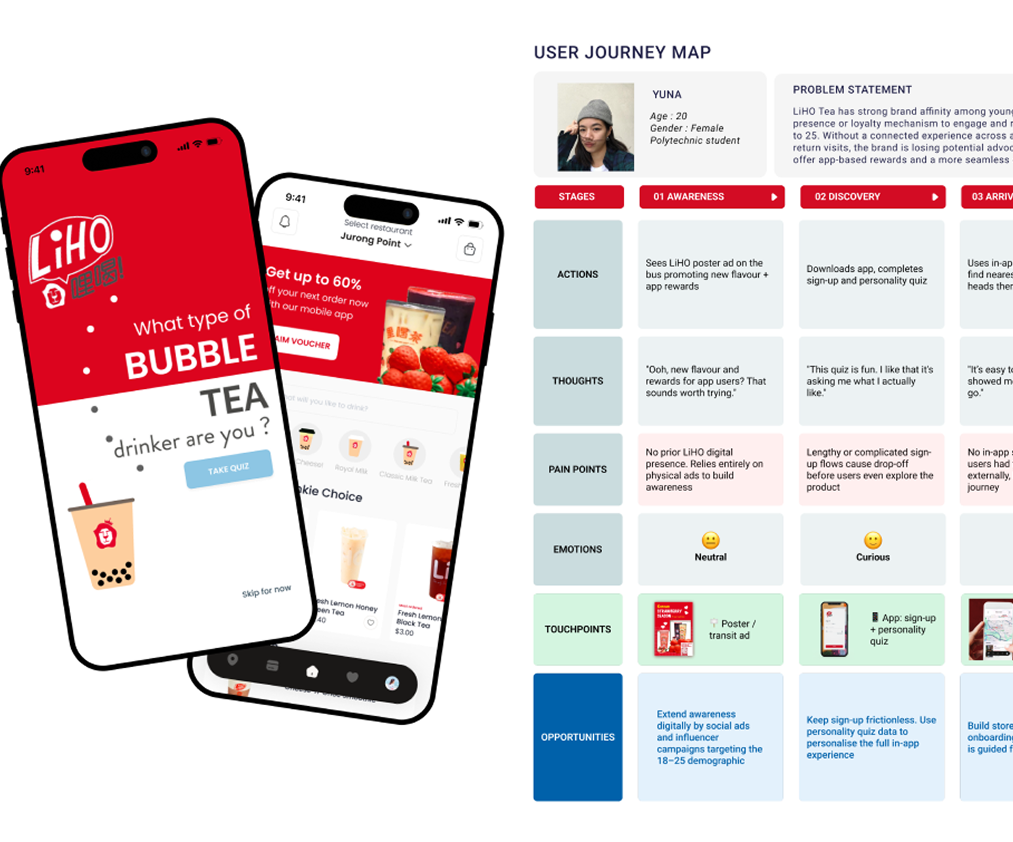
Past UI & Prototyping Work

About Me
My name is Zinia, and I strive to improve the user experiences across products and payment ecosystem using UX methodologies and product strategies.
Every day, people navigate dozens of screens, apps, and digital interactions while managing everything else in life. I believe good design should reduce that mental load, not add to it. This is especially true in payments, where people need clarity, confidence, and simplicity when managing their money.
My Product Design Principles:
01
02
03
04
Blogs
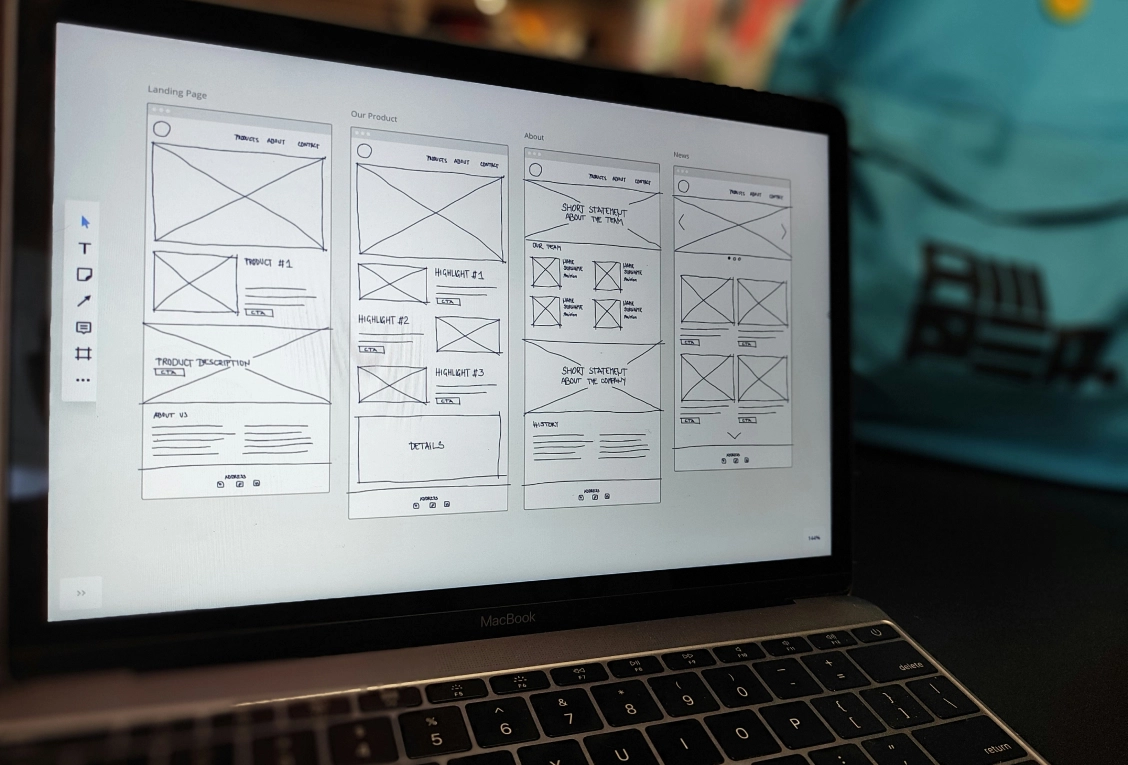
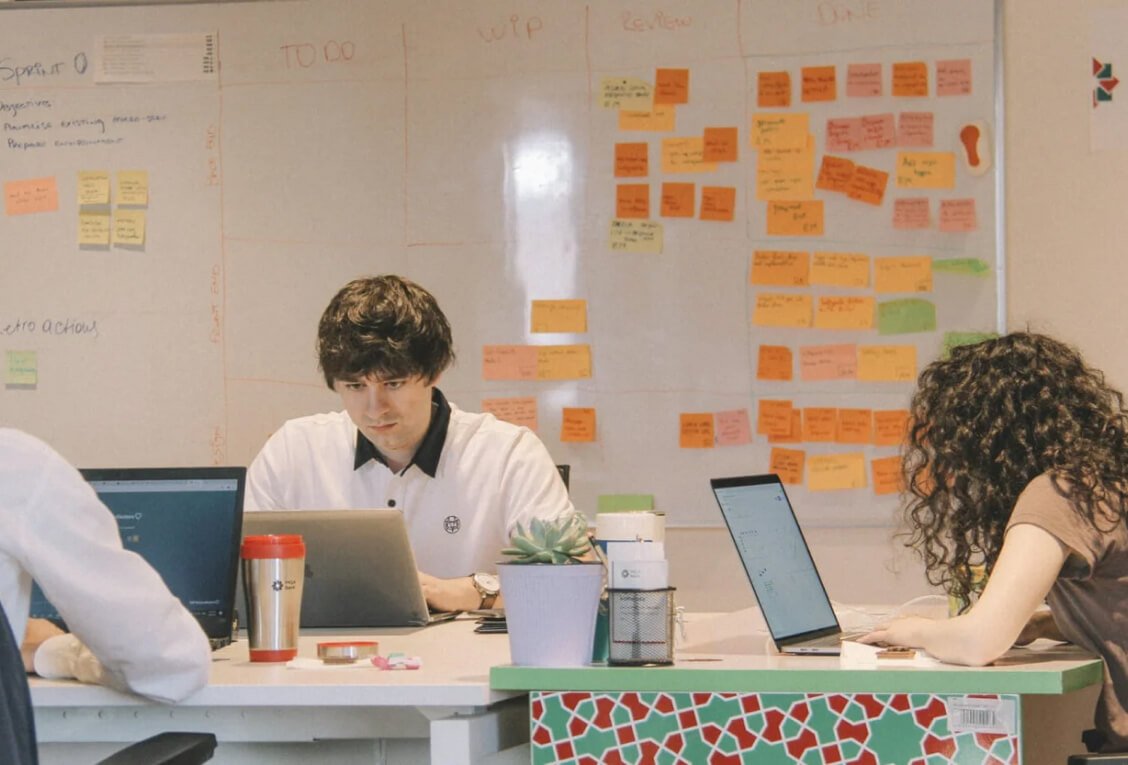

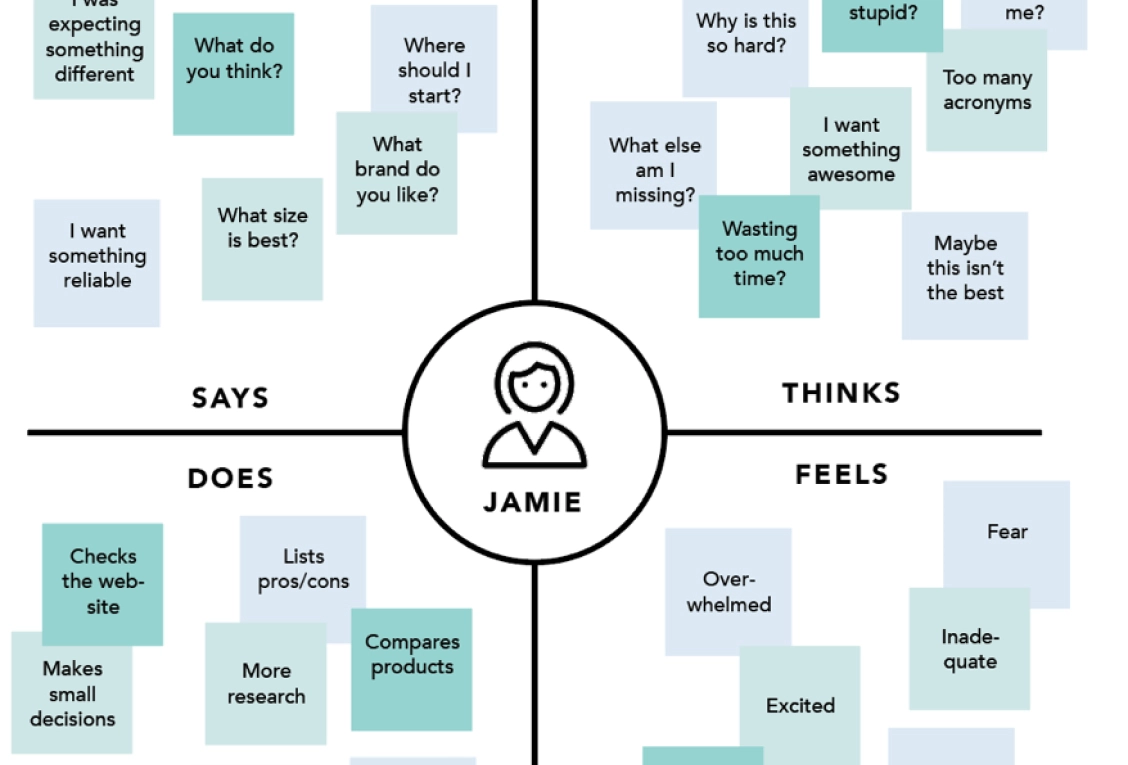
Contact
Get in touch
I am currently open to Product or UX Designer roles in Singapore, particularly within financial services, government digital services, and enterprise product teams.
If you would like to discuss my work, request the full UOB Infinity case study, or explore how I could contribute to your team, I would be glad to connect.